
Behavior
Spontaneous activity / Behavioral distribution
RESEARCH APPLICATION / NEUROSCIENCE & BEHAVIOR
Organize tools for spontaneous activity, home-cage observation and behavior-related physiological research.
RESEARCH CONTEXT
Organize tools for spontaneous activity, home-cage observation and behavior-related physiological research.
Which behavioral changes should the study observe?
How do housing conditions and observation duration affect interpretation?
Which physiological dimensions help interpret behavior?
MEASUREMENT DIMENSIONS
Spontaneous activity / Behavioral distribution
Daily rhythms / Observation periods
Metabolism / Respiration / Environment
RESEARCH APPROACH
Clarify subjects, comparisons and observations of interest.
Select relevant metabolic, physiological or behavioral dimensions.
Consider sample formats, observation duration and existing equipment.
RELATED INSTRUMENTS
Use these instruments as a starting point for selection. Confirm measurements and configurations in the relevant product information.
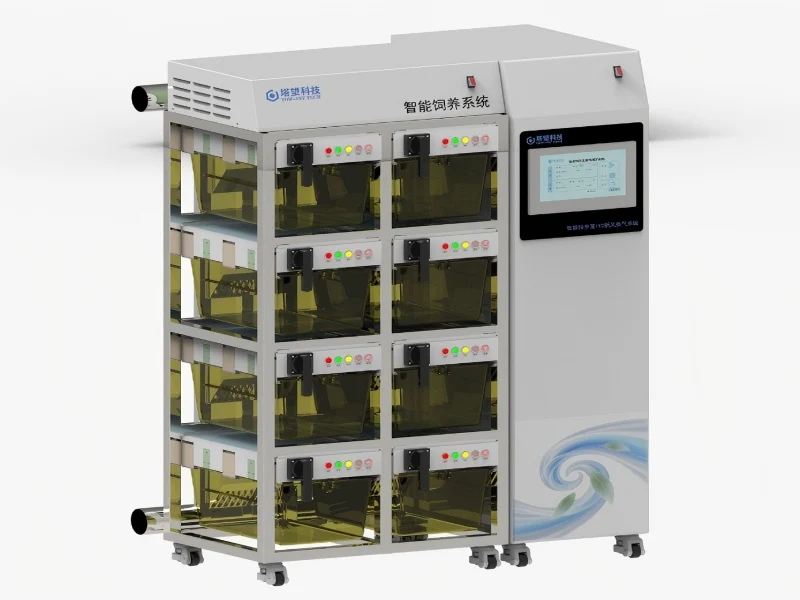
TOW-INT INSTRUMENTS
Connect home cage environments with behavior research and study-specific equipment.
Explore instrument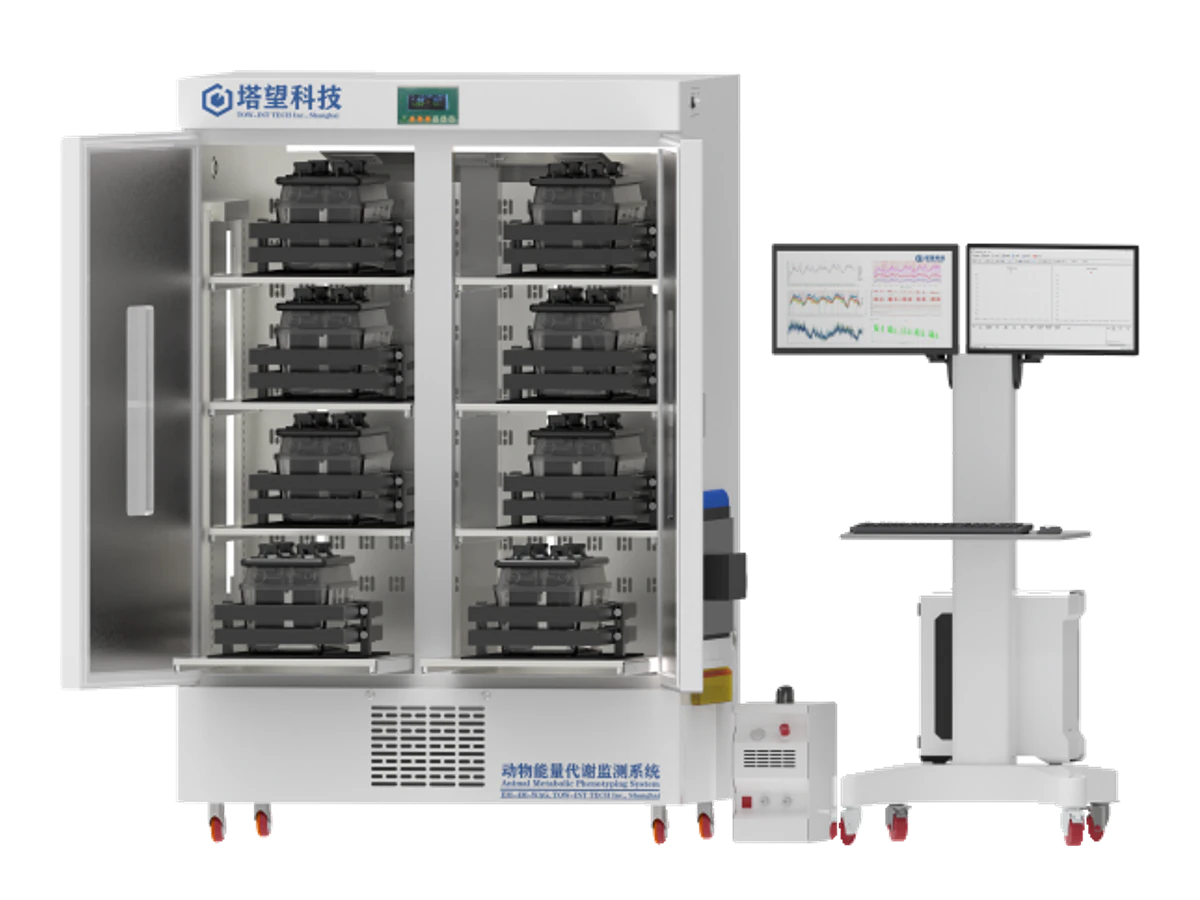
TOW-INT INSTRUMENTS
Connect respiratory metabolism, food and water intake, and activity for metabolic research.
Explore instrumentTOW-INT INSTRUMENTS
It enables measurement of respiratory parameters in conscious, freely moving animals, including respiratory frequency, tidal volume, and airway hyperresponsiveness (AHR) testing.
Explore instrumentTECHNICAL RESOURCES
Gated documents require an institutional email and manual company review before email delivery.
LET’S TALK SCIENCE
Tell us about your study objectives and explore suitable configurations.